A narrow track through green volcanic land leading toward snow-capped Mount Etna

Northern Etna · Sicily

The Northern
Slopes of Etna.

Terra Niura is a small farm producing wine and olive oil from two contrade at the foot of the mountain.

Contrada Arcuria, northern EtnaThe land
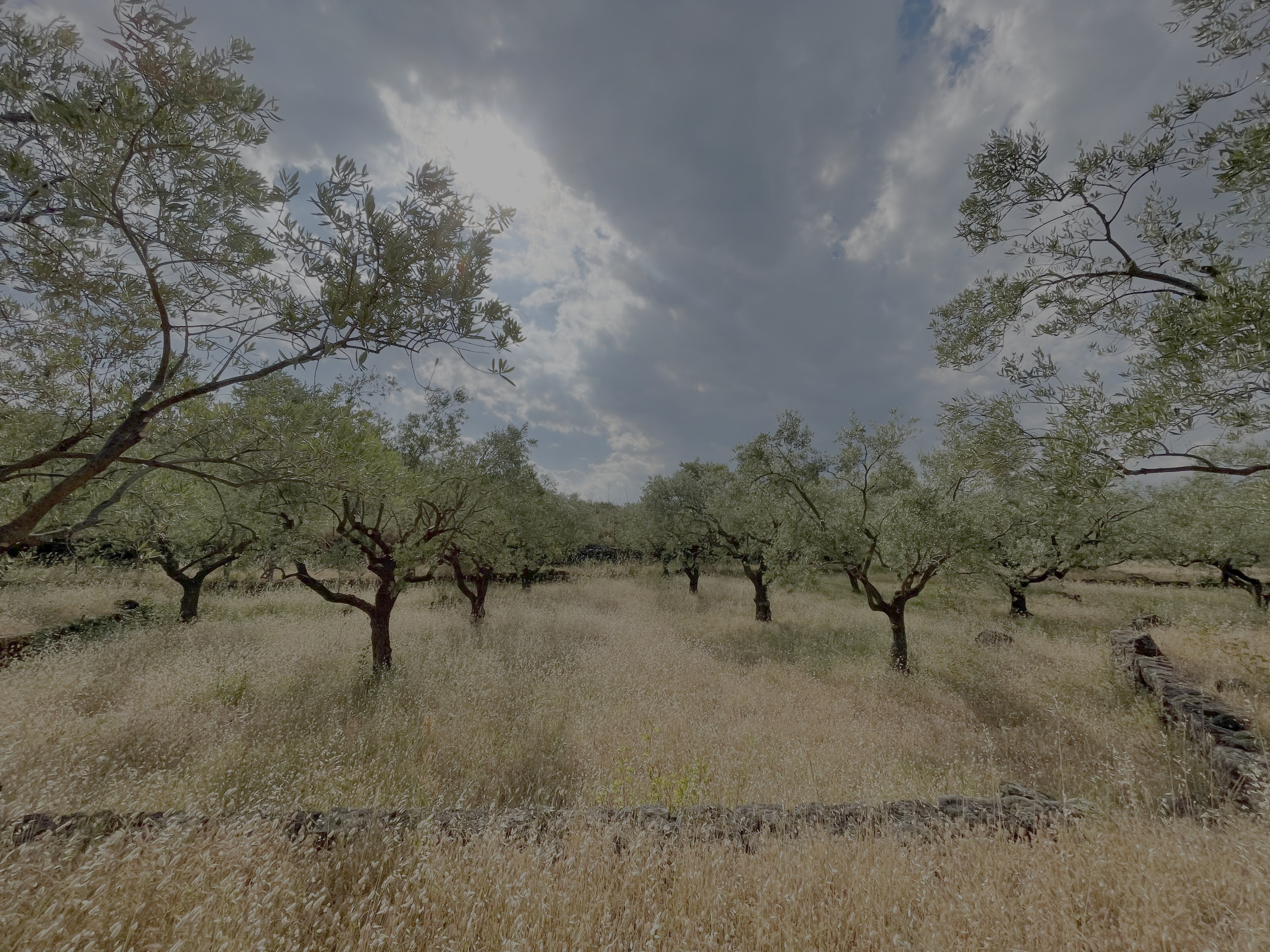
Old olive trees growing through summer grass at Arcuria
01 / The mountainNorthern Etna

The land
of black earth.

Visiting the farm, Etna dominates the southern view. Towering. Almost overwhelming. At Arcuria, near Passopisciaro, dark volcanic soil drains freely, and lava stone forms the terraces.

At Diciasettesalme, where the older vines grow, the soil shows more clay. Looking north, the village of Malvagna sits against the hills. The parcels are close, but the ground is not the same.

South: the mountainNorth: the hills of Malvagna
Arcuria / the old olive grove in summer
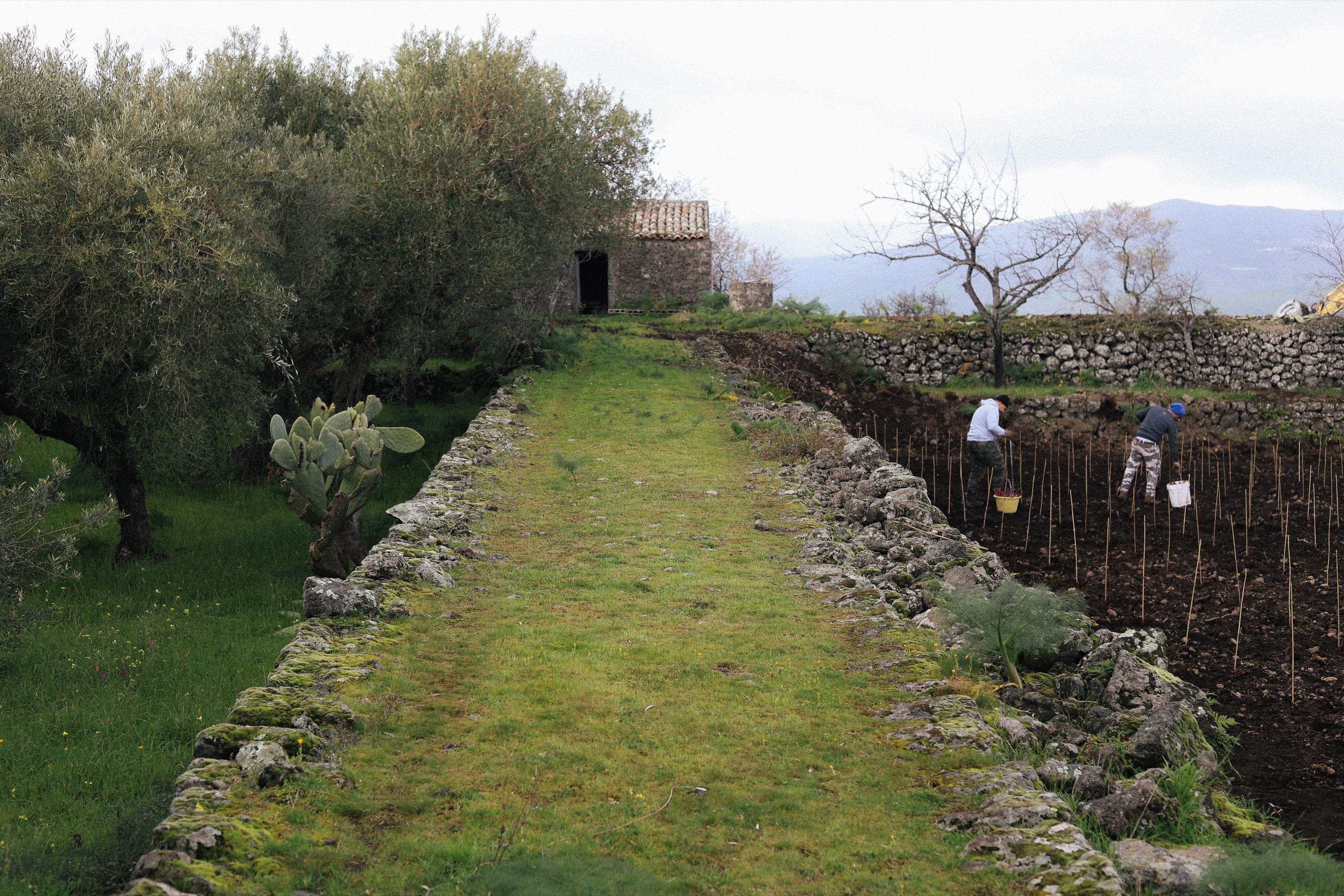
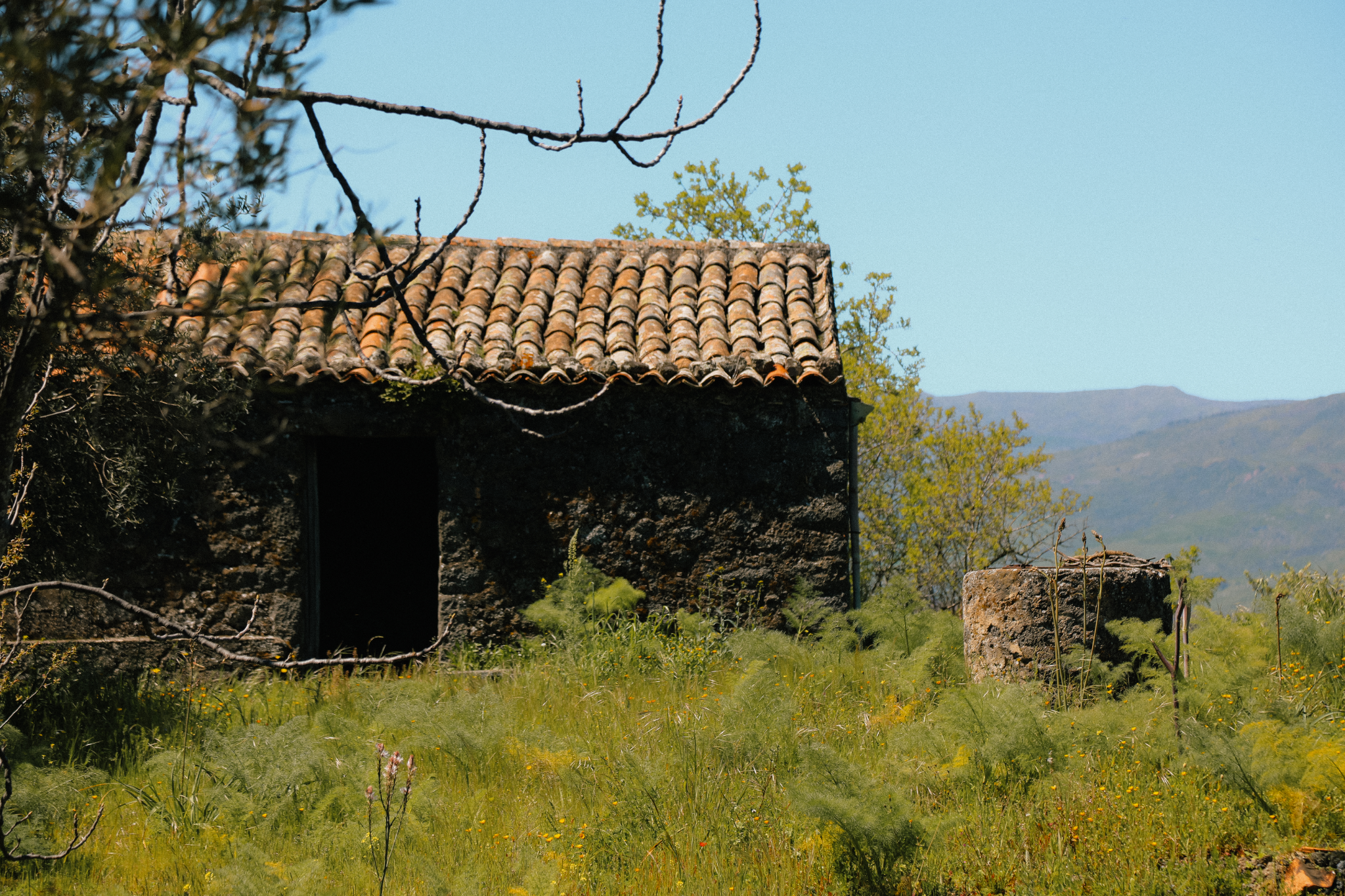
Workers planting new vines beside the path to the old shed at Arcuria
02 / What was passed onTerra Niura

The history of our land

The pioneers came
generations
before us.

Arcuria came from a family that had owned it for generations. Its century-old olive trees and stone terraces remain.

At Diciasettesalme, we bought the land from the man who planted its vines in the 1950s. He is now in his nineties; his son continued his father’s work for decades.

At the signing, members of the family came to the notary to meet us. They wanted to know who would take on land that had been part of their lives for so long. It was an emotional moment, and we are now the stewards of both parcels.

We make very little.
We pay attention to everything.

Arcuria, 2025 / planting beside the path to the old shed
Old lava-stone farm building in the spring grass at Arcuria

03 / Contrada Arcuria · near Passopisciaro

Old olives.
Young vines.

Arcuria covers about 7,000 square metres. Most of it is an established olive grove, with trees more than a century old on lava-stone terraces.

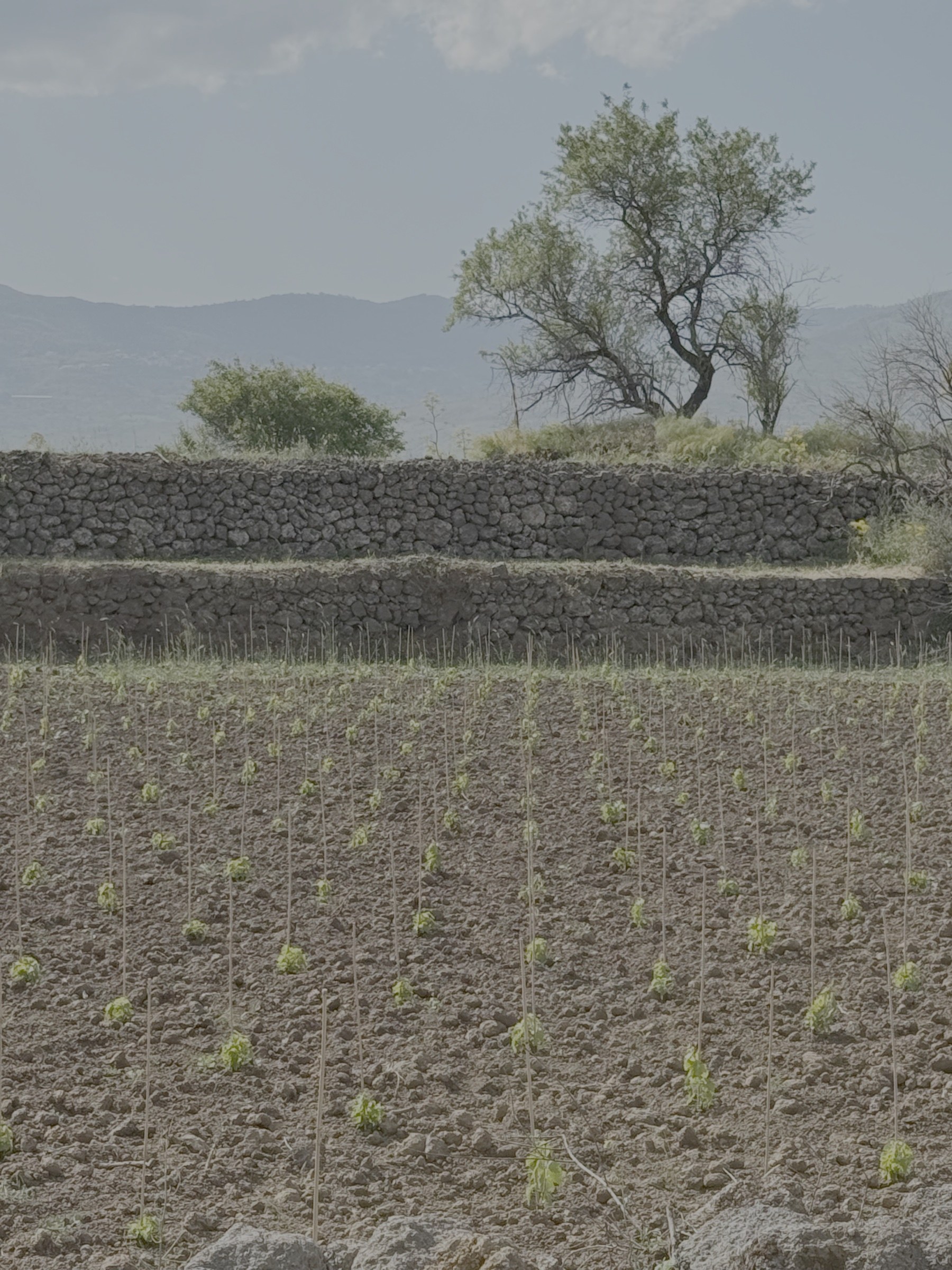
At the bottom of the property, we planted 700 Nerello Mascalese vines across roughly 1,500 square metres. They are still young and several years away from producing the quality of fruit we need for our wine.

7,000 total parcel
700young vines
100+ yearsmany olive trees
Contrada Arcuria / spring
Rows of young vines below a lava-stone wall at Arcuria
04 / How we farmTraditional methods

Alberello.

All 700 new vines at Arcuria are planted in the traditional Etna alberello form. It demands more work to maintain than modern training systems. We chose it for the quality of fruit it can produce, and we are giving the vines time to mature.

Arcuria / the new vineyard, 2025
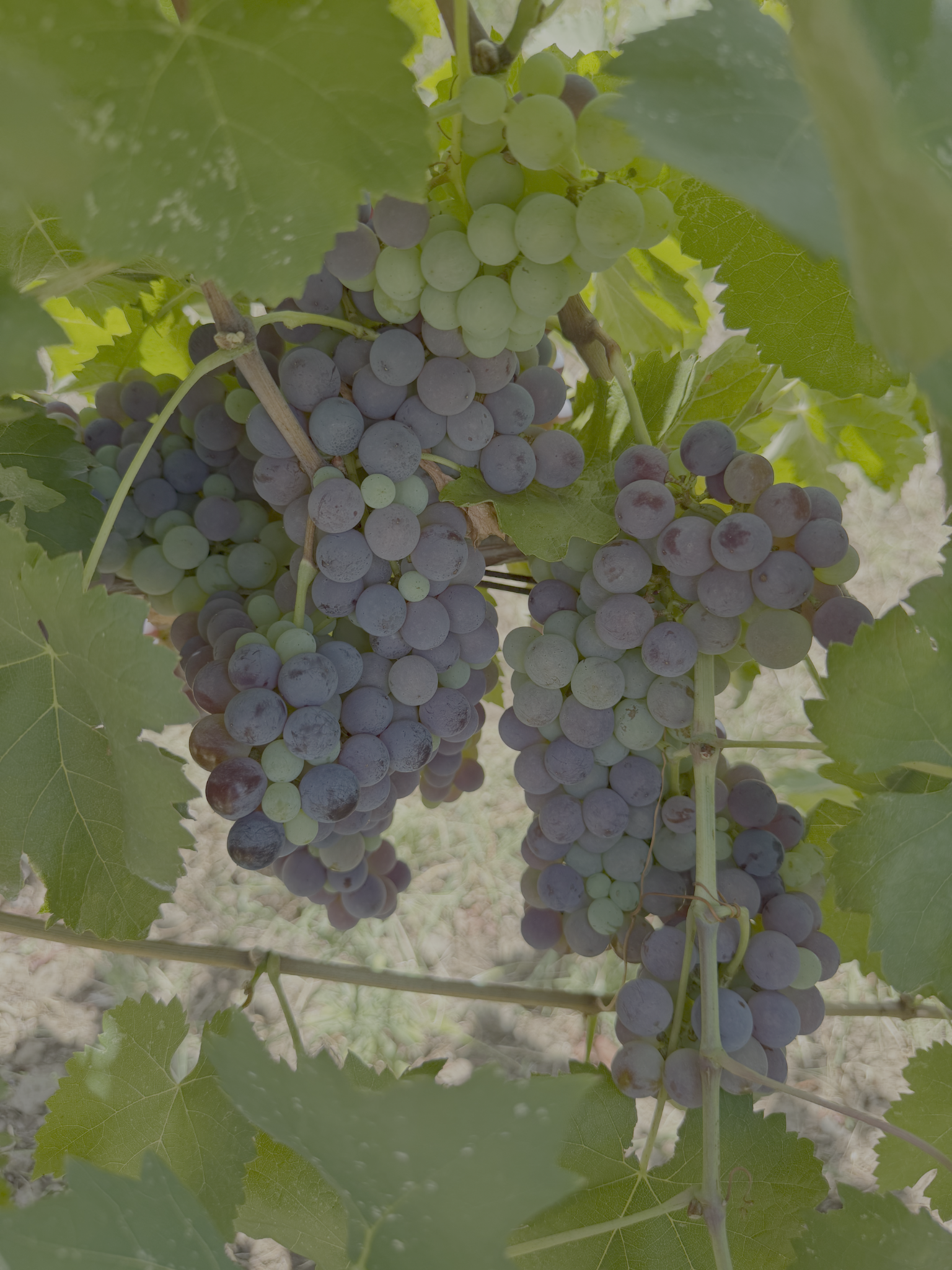
Purple and green grape bunches growing at Diciasettesalme before the 2026 harvest

05 / Contrada Diciasettesalme · toward Mojo

The 1950s
vineyard.

Diciasettesalme covers about 1.6 hectares. Roughly 7,000 square metres are mature vines planted in the 1950s; about 6,000 square metres are olives, mostly Nocellara. The land lies toward the river and Mojo, where more clay is visible in the soil.

We acquired the parcel from the man who planted the vines. His family had continued to maintain them. In 2026, fruit from this vineyard will become the first Terra Niura wine.

First Terra Niura wineHarvest 2026
Diciasettesalme / fruit before the first harvest
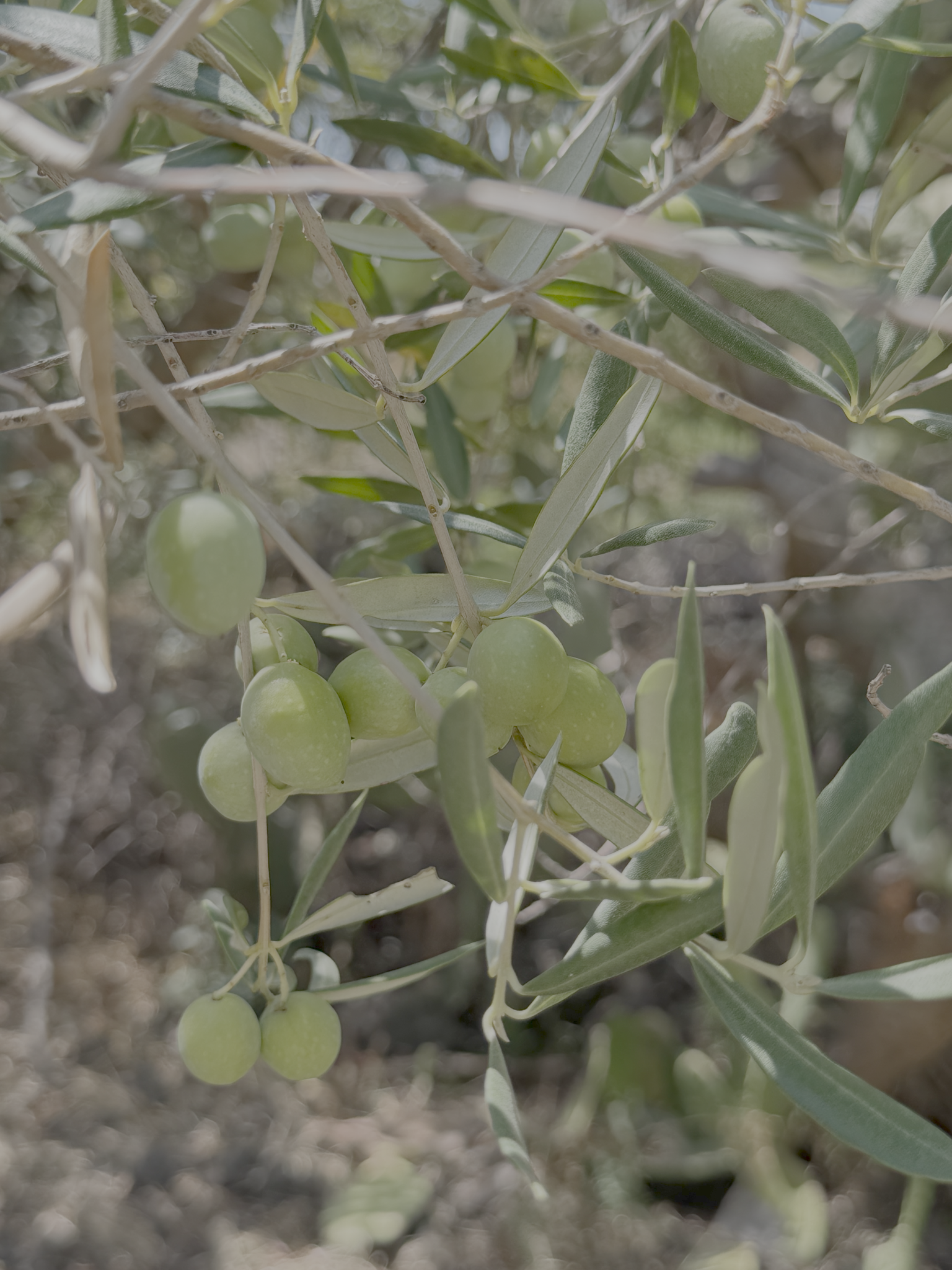
Green Nocellara olives on a branch at Diciasettesalme

06 / The olive harvest

Olive oil
from both parcels.

At Arcuria, many of the olive trees are more than a century old. They grow among the lava-stone terraces. Diciasettesalme has about 6,000 square metres of olives, mostly Nocellara.

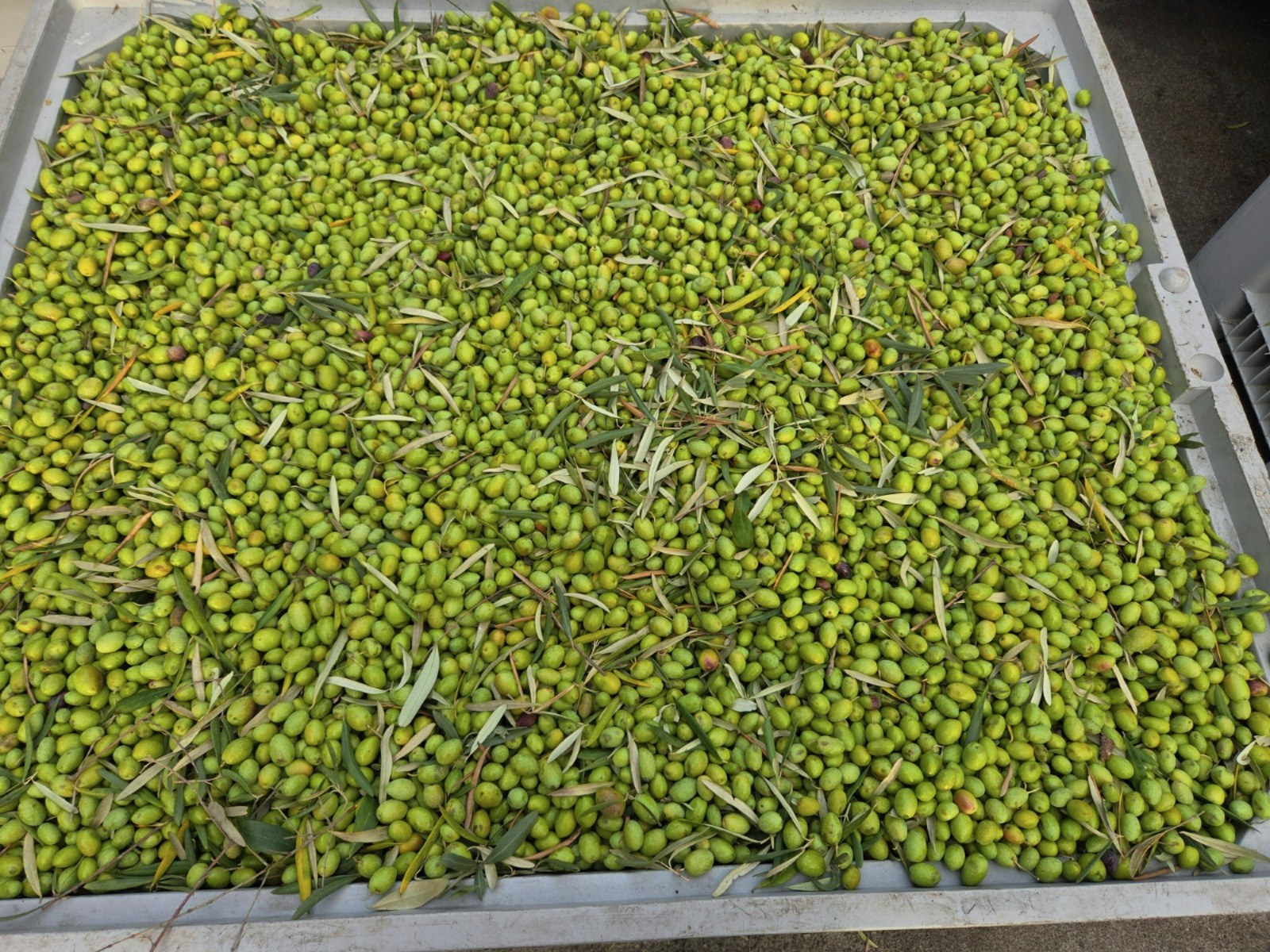
We harvest each autumn. The fruit, the weather and the timing of the work determine the oil we can make that year. The next harvest is expected in October 2026.

Olive harvest / October 2026
Diciasettesalme / olives
Freshly picked olives in a harvest crate at Arcuria in 2025

07 / From the farm

News from
the farm.

Updates on the harvests, the first 2026 vintage, and future wine and olive oil releases.

Arcuria / olive harvest, 2025